

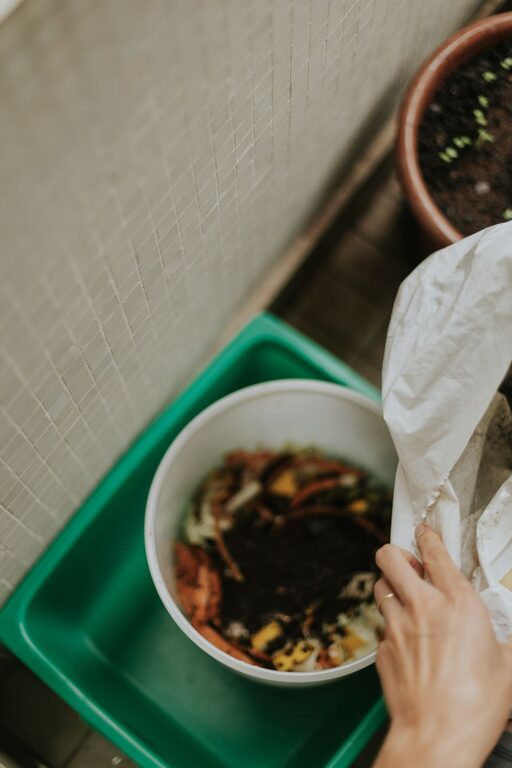
Reducing food waste at home is a smart way to save money, conserve resources, and help protect the environment. Each year, a significant amount of food ends up in the trash, much of which could have been eaten if managed properly. Fortunately, there are many practical steps you can take to reduce food waste in your household. This guide will walk you through easy-to-implement tips that make a noticeable difference.
Why Reducing Food Waste Matters
Food production uses water, energy, and labor, and when food is wasted, all these resources are wasted too. Additionally, food waste contributes to greenhouse gas emissions when it decomposes in landfills. By reducing waste, you’re supporting sustainability and helping to lower your household expenses.
Plan Your Meals and Shopping Lists
One of the most effective ways to reduce food waste is to plan your meals ahead of time. Here’s how to get started:
– Make a Weekly Meal Plan: Decide what you want to cook each day and list the ingredients needed.
– Check Your Pantry and Fridge: Use what you already have before buying new items.
– Create a Shopping List: Stick to your list to avoid impulse buys that may spoil before use.
– Shop Smart: Buy only the quantities you need, and consider purchasing loose produce to control amounts.
Meal planning helps ensure that food is used efficiently, reducing the chance of it spoiling before consumption.
Practice Proper Food Storage
Storing food correctly prolongs its freshness and reduces waste. Here are some storage tips:
– Refrigerate Perishables Promptly: Don’t leave food out at room temperature longer than necessary.
– Use Clear Containers: This makes it easier to see what’s inside and encourages you to use items before they go bad.
– Keep Fruits and Vegetables Separate: Some fruits produce ethylene gas, which can cause vegetables to spoil faster.
– Know Your Freezer: Freeze leftovers, bread, and even some fruits and vegetables to extend their life.
Understanding how to store different foods properly can significantly reduce spoilage.
Understand Food Labels
Food packaging often includes “use by” or “best before” dates, which can be confusing. Here’s a quick guide:
– “Use By” Date: This is about safety. Don’t eat food past this date.
– “Best Before” Date: Indicates quality rather than safety. Food may still be good to eat after this date, but it might not be at its best.
Learning to read these labels helps you avoid discarding food unnecessarily.
Use Leftovers Creatively
Instead of tossing leftovers, try these ideas:
– Reinvent Meals: Turn roasted vegetables into soups or salads.
– Portion and Freeze: Save leftovers in small portions for quick future meals.
– Snack Prep: Use cut fruits or veggies as quick snacks.
– Share: Offer extra food to friends, family, or neighbors.
By getting creative, leftovers can become new delicious dishes.
Compost Food Scraps
Even with the best efforts, some food scraps are unavoidable. Composting turns kitchen waste into nutrient-rich soil for your garden:
– Start a Compost Bin: Collect vegetable peels, coffee grounds, and eggshells.
– Avoid Composting Meat or Dairy: These can attract pests.
– Use Compost in Your Garden: It improves soil health and plant growth.
Composting reduces the amount of waste sent to landfills and supports healthy gardening.
Educate Your Household
Reducing food waste works best when everyone in the home is on board:
– Discuss Waste Goals: Share why it’s important to reduce food waste.
– Involve Everyone: Encourage participation in meal planning, cooking, and storage.
– Set Reminders: Use notes or apps to keep track of food use and expiration dates.
Creating a culture of mindful food use helps establish lasting habits.
Summary
Reducing food waste at home is achievable with simple, mindful steps like meal planning, proper storage, understanding food labels, and using leftovers wisely. These small adjustments not only lower your grocery bills but also contribute to a more sustainable environment. Start implementing these strategies today and enjoy the benefits of less waste in your kitchen!