

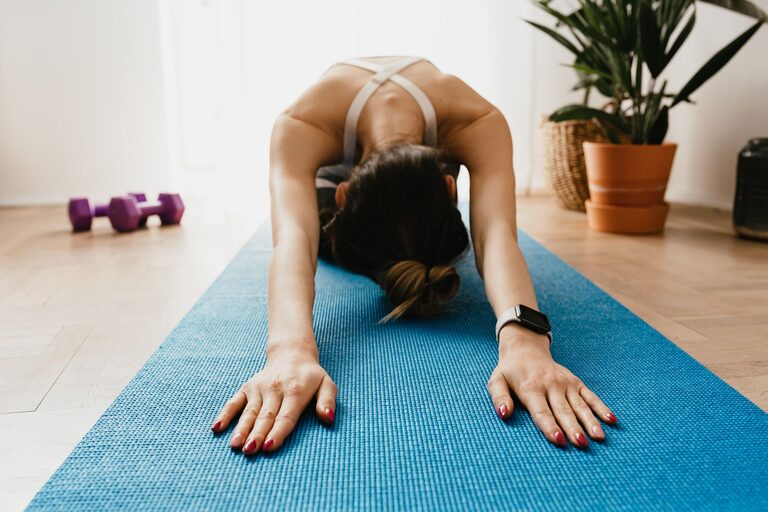
Stretching is an excellent way to improve your flexibility, reduce muscle tension, and promote relaxation. You don’t need a gym or special equipment to get started—stretching at home can be simple and effective with just a few basic moves. If you’re new to stretching, this beginner’s guide will walk you through everything you need to know to stretch safely and confidently in your own space.
Why Stretch at Home?
Stretching at home offers many benefits:
– Convenience: You can stretch anytime without traveling or scheduling classes.
– Cost-effective: No equipment or membership fees are required.
– Improved flexibility: Regular stretching helps keep your muscles and joints mobile.
– Stress relief: Stretching releases muscle tension and promotes relaxation.
– Better posture: Stretching tight muscles can improve alignment and reduce discomfort.
Getting Started: Tips for Safe Stretching
Before you begin a stretching routine, keep these guidelines in mind:
– Warm up first: Stretching cold muscles can lead to injury. Warm up with light activity like walking in place for 3–5 minutes.
– Stretch gently: Move into the stretch slowly and avoid bouncing or forcing your body into uncomfortable positions.
– Hold each stretch: Aim to hold stretches for 15–30 seconds to allow muscles to lengthen.
– Breathe deeply: Inhale and exhale slowly to help your body relax.
– Listen to your body: Mild tension is okay, but stop if you feel sharp pain.
– Stretch regularly: Consistency is key to improving flexibility and maintaining benefits.
Basic Stretching Routine for Beginners
Here’s a simple sequence you can do in about 10–15 minutes. Perform each stretch on both sides where applicable.
1. Neck Stretch
– Sit or stand tall.
– Slowly tilt your head toward your right shoulder until you feel a gentle stretch on the left side of your neck.
– Hold for 20 seconds, then switch sides.
2. Shoulder Stretch
– Bring your right arm across your chest.
– Use your left hand to gently press the right arm toward your chest.
– Hold for 20 seconds, then switch sides.
3. Triceps Stretch
– Raise your right arm overhead and bend your elbow so your hand reaches toward your upper back.
– Use your left hand to gently press the right elbow.
– Hold for 20 seconds, then switch arms.
4. Chest Stretch
– Stand near a wall or doorway.
– Place your right hand on the wall at shoulder height and gently turn your body away from the wall.
– Hold for 20 seconds, then switch sides.
5. Seated Forward Bend (Hamstring Stretch)
– Sit on the floor with your legs extended straight in front of you.
– Keeping your back straight, slowly bend forward from your hips and reach for your toes.
– Stop when you feel a comfortable stretch behind your legs.
– Hold for 30 seconds.
6. Butterfly Stretch (Inner Thigh)
– Sit on the floor with your feet together and knees bent out to the sides.
– Hold your feet with your hands and gently press your knees toward the floor.
– Hold for 30 seconds.
7. Cat-Cow Stretch (Spine Mobility)
– Start on your hands and knees.
– Arch your back toward the ceiling (Cat) and then dip your belly toward the floor while lifting your head (Cow).
– Repeat slowly for 30 seconds.
8. Child’s Pose
– Kneel on the floor and sit back on your heels.
– Stretch your arms forward and lower your chest toward the floor.
– Hold for 30 seconds to relax your back and hips.
Tips to Make Stretching a Habit
– Set a schedule: Choose a consistent time each day that fits your routine.
– Create a comfortable space: Use a yoga mat or soft surface.
– Add music: Calm music can make stretching more enjoyable.
– Track progress: Notice improvements in flexibility and comfort to stay motivated.
– Combine with other activities: Stretch after workouts, walking, or even watching TV.
When to Avoid Stretching or Consult a Professional
Stretching is generally safe for most people, but consider avoiding or adapting stretches if you have:
– Recent injuries or surgeries.
– Chronic pain or joint conditions.
– Severe muscle tightness or discomfort during stretching.
If you have concerns, it’s a good idea to talk to a physical therapist or fitness professional for personalized advice.
—
Stretching at home is a simple, affordable way to support your physical and mental well-being. Start with this beginner’s routine, listen to your body, and enjoy the benefits of improved flexibility and relaxation right in your own space. Happy stretching!