

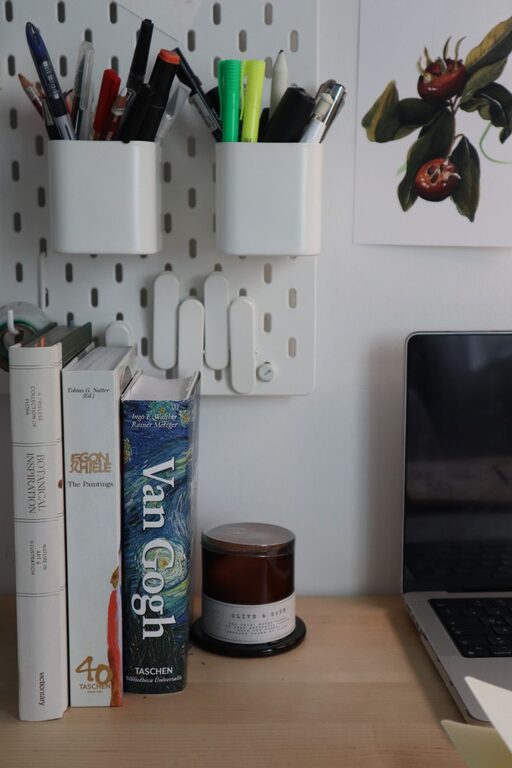
In many households, paper clutter can quickly accumulate, leading to a messy environment and added stress. Bills, receipts, school papers, magazines, and junk mail pile up, making it hard to find what you need when you need it. Fortunately, there are simple and effective ways to reduce paper clutter and keep your home more organized. In this post, we’ll explore practical tips and habits you can incorporate to manage and minimize paper clutter.
Why Reducing Paper Clutter Matters
Paper clutter not only takes up physical space but can also create mental clutter. When your home is overwhelmed with papers, it becomes difficult to focus, stay productive, and enjoy your surroundings. Reducing paper clutter helps:
– Simplify your living space
– Save time looking for important documents
– Make cleaning easier
– Lower stress levels
– Encourage better organization habits
Start with a Clear-Out
Before implementing new habits, begin by sorting through your existing paper piles. Set aside some time to go through all your papers and decide what to keep, recycle, or shred.
Steps for a Successful Clear-Out
- **Gather all papers** from around the house into one area.
- **Sort papers into categories**, such as bills, receipts, personal documents, schoolwork, and junk mail.
- **Discard what you don’t need** by recycling or shredding sensitive materials.
- **Create a “keep” pile** for essential documents and papers you want to store.
This initial clear-out helps you see the volume of papers and provides a fresh start for better management.
Create a Paper Management System
Having a dedicated system for handling incoming and important papers can prevent clutter from building up again.
Suggested Paper Management Tools
– Inbox tray or basket: Place it in a common area to collect all new papers.
– Filing folders or binders: Organize documents by category or date.
– Label makers or stickers: Clearly mark folders for easy identification.
– Shredder: Securely dispose of documents with personal information.
– Notebook or digital task list: Track bills and important paperwork deadlines.
Establish a Routine
Pick a specific day each week to sort through your inbox tray. Decide what requires immediate action, what can be filed, and what should be discarded. Making this a consistent habit keeps paper clutter from piling up.
Go Digital Whenever Possible
Reducing the amount of physical paper you bring into your house is one of the best ways to manage clutter.
Tips to Go Paperless
– Opt for electronic bills and statements: Contact your banks and service providers to switch to digital delivery.
– Use apps for receipts and warranties: Store photos or scans of these items on your phone or computer.
– Scan important documents: Back up vital papers electronically to reduce the need for physical copies.
– Read magazines and newspapers online: Consider digital subscriptions to your favorite publications.
Remember to organize digital files in clearly labeled folders and back them up regularly.
Limit Junk Mail and Flyers
Junk mail and flyers are common sources of paper clutter but can often be reduced with simple actions.
– Register with your local Do Not Mail or opt-out list: This reduces unsolicited mail.
– Contact specific companies: Request removal from mailing lists.
– Use door hangers to decline flyers: Place a visible sign on your mailbox or front door.
– Recycle immediately: Sort unwanted mail into recycling bins as soon as it arrives.
Manage Kids’ School Papers Creatively
Schoolwork and artwork can pile up fast, especially if your children bring home multiple papers each day.
Ways to Control School Paper Clutter
– Designate a special folder or box for each child’s important papers.
– Display select artwork on a bulletin board or fridge for a limited time.
– Digitize everything: Take photos of artwork and projects, then recycle the originals.
– Set regular review days: Together with your kids, decide what to keep or toss.
Teaching children to help with paper management builds lifelong organization skills.
Use Storage Solutions Wisely
Effective storage helps keep papers organized and accessible.
Storage Ideas
– Filing cabinets or portable file boxes: Store important papers neatly and safely.
– Magazine holders: Keep current reading materials tidy.
– Drawer organizers: Separate various paper types for quick access.
– Clear envelopes or sleeves: Protect and categorize loose papers.
Make sure storage units are placed in convenient locations to encourage frequent use.
Practice Mindful Paper Habits Daily
The best way to reduce household paper clutter is to cultivate mindful habits about how you handle paper.
– Deal with mail immediately: Sort it as soon as you bring it inside.
– Limit printing: Only print when necessary.
– Keep a small shred bin nearby: Make it easy to dispose of sensitive papers.
– Set boundaries: Avoid accumulating papers on counters and tables.
Even small daily efforts add up and can greatly reduce clutter over time.
Conclusion
Reducing household paper clutter doesn’t require drastic measures or complicated systems. By starting with a thorough clear-out, creating a simple paper management system, going digital when possible, controlling junk mail, managing kids’ papers thoughtfully, and practicing mindful habits, you can enjoy a more organized and less stressful home environment. Remember, consistency is key—small steps taken regularly will lead to lasting results.
Take control of your paper clutter today and enjoy the benefits of a tidy living space!